Social Security Payments – For millions of Americans who rely on Social Security, knowing exactly when payments arrive is essential for budgeting and peace of mind. In February 2026, most Social Security recipients will receive their regular monthly benefit as usual. However, some Supplemental Security Income (SSI) recipients may notice something unusual, including the possibility of not receiving a payment in March. Understanding how the Social Security Administration schedules payments can help you plan ahead and avoid confusion.
Social Security benefits are paid to nearly 74 million people across the United States. While the system generally runs on a predictable schedule, exact payment dates depend on factors like your birthdate and the type of benefits you receive. Below is a clear breakdown of what to expect for February 2026.
How the Social Security Payment Schedule Works
The Social Security Administration typically sends out retirement and disability payments on Wednesdays throughout the month. Your specific payment date is tied to your date of birth, not when you first started receiving benefits. This staggered system helps the SSA manage payments efficiently and reduces strain on financial institutions.

If your birthday falls between the first and 10th of the month, your payment arrives on the second Wednesday. If your birthday is between the 11th and 20th, you are paid on the third Wednesday. And if you were born after the 20th of the month, your payment comes on the fourth Wednesday. This system applies to most Social Security retirement, disability, and survivor benefits.
February 2026 Social Security Payment Dates
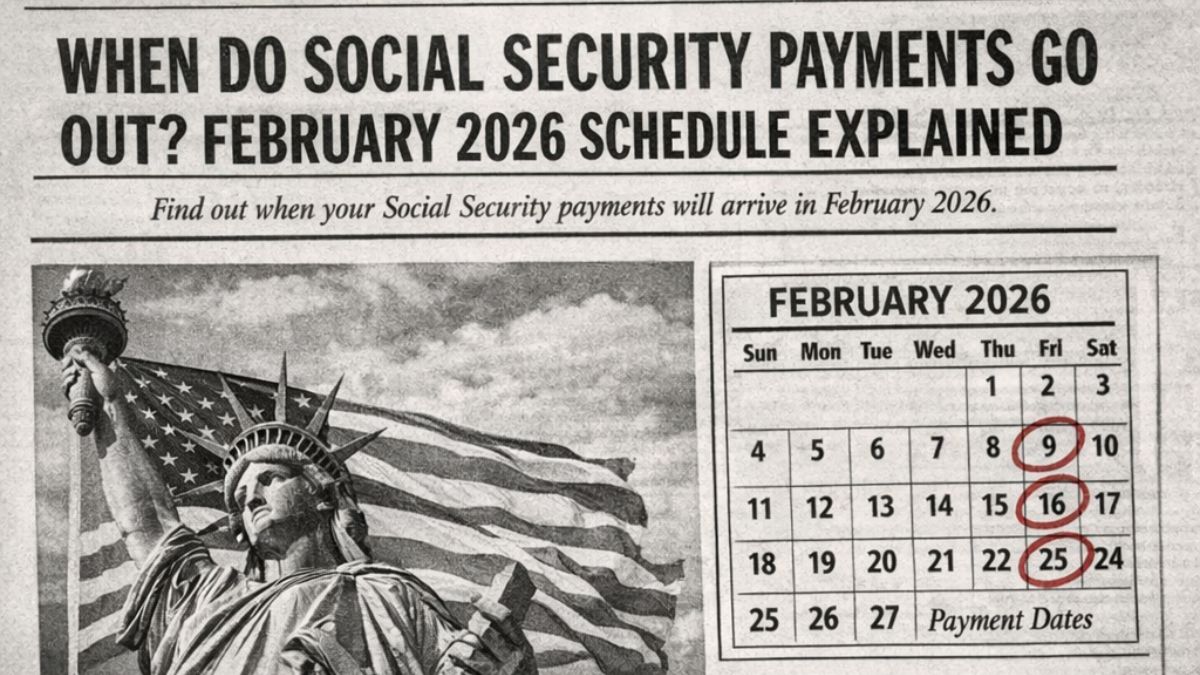
In February 2026, Social Security retirement and disability payments will follow the standard Wednesday schedule. People born between the first and the 10th of the month will receive their payment on February 11. Those born between the 11th and the 20th will see their payment deposited on February 18. Beneficiaries whose birthdays fall between the 21st and the 31st will receive their money on February 25.
As long as there are no federal holidays or banking disruptions affecting these dates, payments should arrive on time through direct deposit or Direct Express cards. Paper checks may take slightly longer, depending on mail delivery.

What SSI Recipients Should Know About February Payments
Supplemental Security Income payments work differently from regular Social Security benefits. SSI payments are usually sent on the first day of each month. However, when the first falls on a weekend or federal holiday, the SSA issues payments early.
In February 2026, SSI recipients will receive a payment on Friday, February 27. This payment is actually the SSI benefit for March. Because of this early payment, SSI recipients will not receive another check during March itself. While this can feel like a missed payment, it is simply a scheduling adjustment and does not reduce the total benefits received for the year.
The next SSI payment after the February 27 deposit will arrive on April 1, 2026.

SSI Payment Schedule for the Rest of 2026
The Social Security Administration has already released its full SSI payment calendar for 2026 to help recipients plan ahead. After the March payment issued in February, SSI benefits will continue on a mostly first-of-the-month basis.
April’s SSI payment will arrive on April 1, followed by May’s payment on May 1. June benefits will be paid on June 1, and July’s payment will arrive on July 1. Because August 1 falls on a weekend, the August SSI payment will be issued early on July 31.
September’s payment will be sent on September 1, October’s on October 1, and November’s payment will arrive early on October 30. December SSI benefits will be paid on December 1, and the January 2027 payment will be issued early on December 31, 2026.

Understanding these early-payment months can help SSI recipients avoid unnecessary worry and manage monthly expenses more smoothly.
Why Some People Won’t Get a Check in March
The idea of not receiving a payment in March can sound alarming, but for SSI recipients, it is part of the normal payment system. When the SSA issues a payment early, it counts toward the following month’s benefit. This means there is no missing money, just a shift in timing.
It is especially important for SSI recipients to budget carefully during months with early payments, since the gap until the next deposit can feel longer than usual. Marking payment dates on a calendar or setting reminders can be helpful during these transitions.

Social Security Offices in Arizona
For those who prefer in-person assistance, Arizona is home to more than a dozen Social Security offices. These offices can help with benefit questions, application support, replacement cards, and other services. Locations are spread across the state, including cities like Phoenix, Tucson, Mesa, Flagstaff, Yuma, and Prescott, as well as smaller communities such as Globe, Chinle, and Safford.
To find the nearest office and confirm hours or appointment availability, the Social Security Administration recommends using the official office locator tool on its website. Visiting online first can save time and help ensure you bring the correct documents.
Planning Ahead for Social Security in 2026
Whether you receive retirement benefits, disability payments, or SSI, staying informed about payment schedules is one of the easiest ways to reduce financial stress. February 2026 follows the familiar Social Security pattern, but SSI recipients should be especially mindful of the early March payment.

By knowing your payment date, monitoring your bank account, and planning for months with adjusted schedules, you can stay in control of your finances throughout the year.
Disclaimer
This article is for general informational purposes only and is not intended as financial, legal, or governmental advice. Social Security rules, payment schedules, and benefit amounts are subject to change by the Social Security Administration. Readers should verify dates and details through official SSA sources or consult directly with the Social Security Administration for personalized guidance regarding their benefits or payment status.