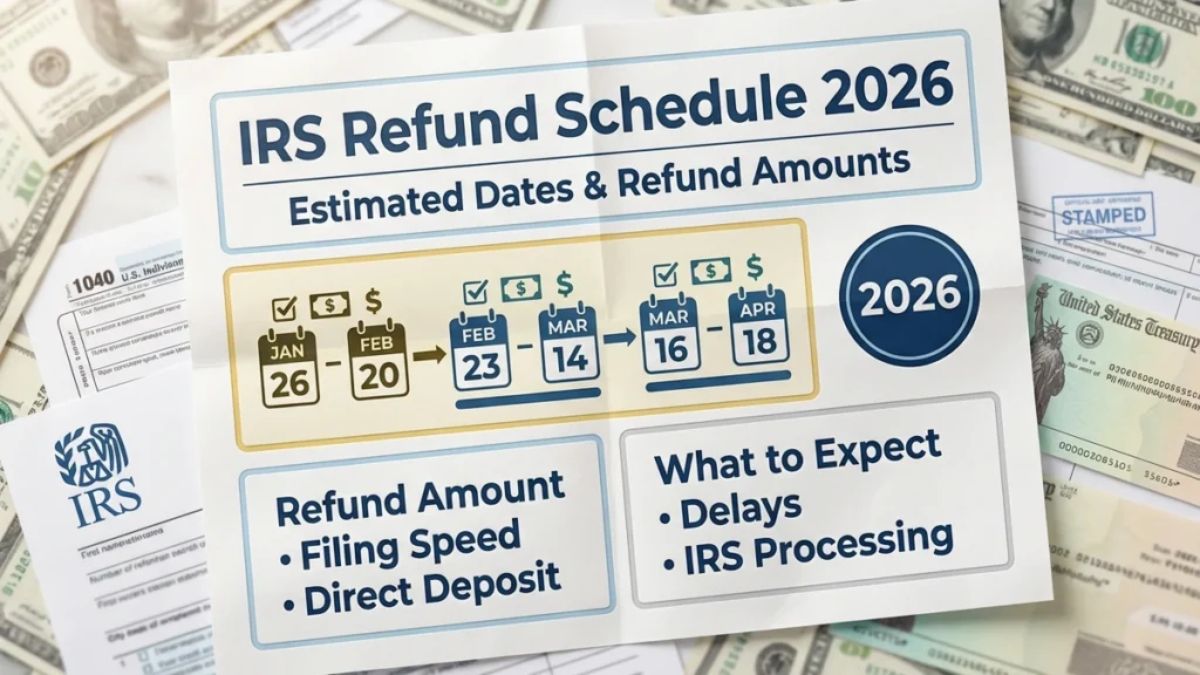
The 2026 IRS income tax refund schedule is getting a lot of attention, and for good reason. Tax refunds are no longer seen as a little bonus at the end of filing season. For many Americans, they’ve become an important financial cushion. With everyday expenses still feeling tight and prices higher than many families expected, refund timing can make a real difference. That’s why understanding how the 2026 season works, and what affects refund speed, matters more than ever.
Why the 2026 Tax Season Feels Different
On the surface, the 2026 tax season looks familiar. The filing deadline is still April 15, and electronic filing is strongly encouraged. But behind the scenes, the Internal Revenue Service is operating very differently than it did just a few years ago. Major technology upgrades now allow the system to cross-check your return against employer wage reports, bank interest statements, and income records from freelance platforms almost instantly.
This tighter verification process is meant to reduce fraud and prevent costly mistakes. The tradeoff is that more returns are being flagged for review, even when taxpayers believe everything is correct. Early in the season, some income data may not yet be fully uploaded, which can temporarily slow down processing for otherwise simple returns.

How Refund Processing Works in 2026
Once the filing window opens in late January, the IRS begins processing returns as they come in. In past years, electronically filed returns with direct deposit often received refunds within 10 to 21 days. That general timeframe still exists in 2026, but it should be treated as a rough estimate rather than a promise.
Straightforward returns filed electronically, with no errors and no special credits, may still see refunds arrive in early to mid-February. Others, however, may take longer due to automatic data checks. Refund timing now depends heavily on whether the information on your return matches what the IRS already has in its system.
Filing Early Doesn’t Always Mean Faster Refunds
For a long time, the standard advice was simple: file as early as possible to get your money faster. In 2026, that advice comes with important limitations. Filing too early can actually slow things down if your employer, bank, or client hasn’t finalized income reports yet. When the IRS systems detect missing or mismatched data, processing pauses until everything lines up.

Tax professionals are increasingly advising people to wait until mid-February, especially if they have multiple income sources. By then, most wage and interest data has been fully reported, reducing the chances of delays caused by mismatches.
Tax Credits That Delay Refunds by Law
Some delays are unavoidable, no matter how carefully you file. Refunds that include certain tax credits related to work income or dependents are legally held until at least mid-February. This rule is designed to prevent fraud and has been in place for several years.
If your return includes these credits, your refund will likely arrive in late February or early March. While it can feel frustrating, this delay does not mean there’s a problem with your return. It’s a standard requirement that applies to millions of households every year.

The Move to Fully Digital Refunds
One of the biggest changes for 2026 is the complete end of paper refund checks. All refunds are now issued electronically, either through direct deposit or approved digital payment options. The IRS says this shift improves security, reduces lost or stolen checks, and speeds up delivery overall.
For people without traditional bank accounts, refunds may be issued through prepaid debit cards or digital wallets. While these options improve access, they can sometimes include small fees. It’s important to review the terms carefully so you don’t lose part of your refund to processing charges.
Common Reasons Refunds Get Delayed
Even with upgraded systems, refund delays are still common. Simple mistakes like entering the wrong bank account number, listing inconsistent dependent information, or using an outdated address can trigger extra review. Automated systems are efficient, but they’re also strict.

Returns involving self-employment income, gig work, multiple jobs, or corrections from prior years often take longer to process. In these cases, refunds may extend beyond the typical three-week window, sometimes by several weeks. Planning for this possibility can help reduce financial stress.
What Refund Timing Means for Families
For many families, refunds are part of their financial planning. People often rely on that money to catch up on bills, handle rising rent, or cover medical costs. In 2026, advisors are encouraging households not to depend on refunds arriving by a specific date.
As the season moves into March and April, IRS systems tend to stabilize. Returns filed during this period may actually face fewer interruptions than those filed during the early rush. Flexibility and patience can go a long way during tax season.

Looking Ahead Through the 2026 Filing Season
By mid-season, most employer and bank data is fully integrated into IRS systems, making processing smoother and more predictable. Refunds issued during this period may not be instant, but they are often more reliable in terms of timing.
The overall direction of the 2026 IRS refund schedule emphasizes accuracy and security over speed. While that shift can feel inconvenient, it may reduce errors, audits, and corrections in the long run. For taxpayers, the best strategy remains careful preparation, accurate reporting, and realistic expectations about when refund money will arrive.
Disclaimer

This article is for general informational and educational purposes only and should not be considered tax, legal, or financial advice. Tax laws, IRS policies, and refund processing timelines can change, and individual circumstances may affect outcomes. Readers should rely on official IRS guidance or consult a qualified tax professional for advice specific to their personal situation and filing needs.