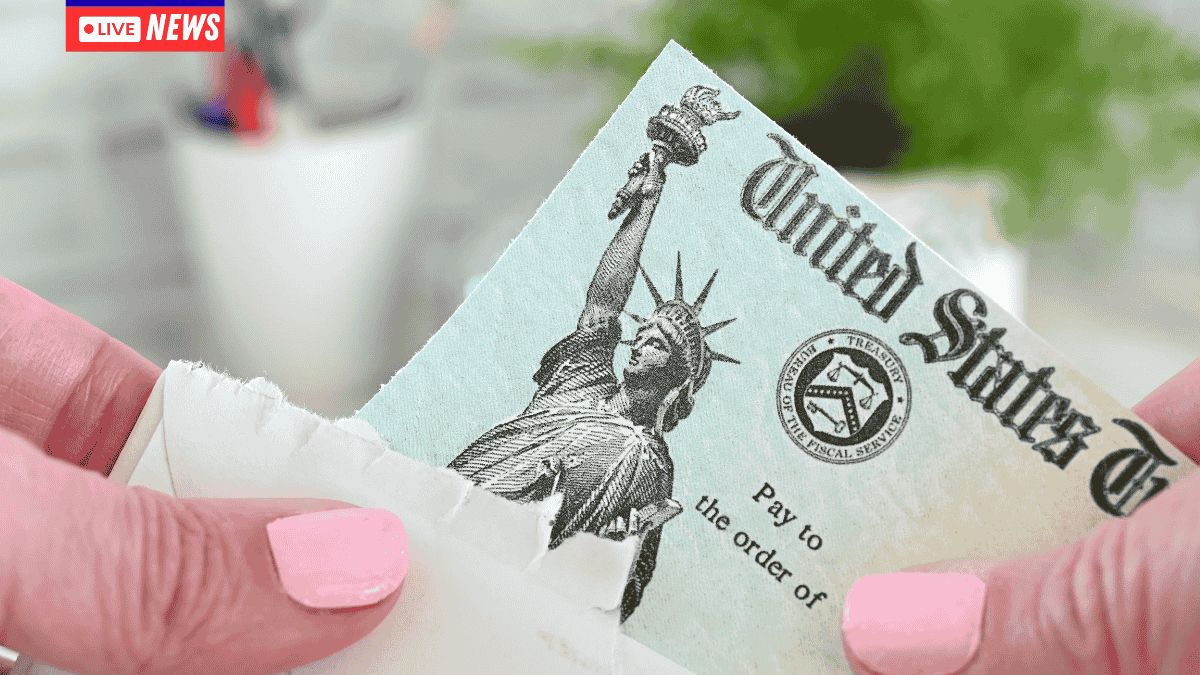
IRS Confirms $2000 Direct Deposit – Over the past few months, claims about a $2,000 IRS direct deposit arriving in February 2026 have spread rapidly across the internet. Social media posts, YouTube videos, blog headlines, and forwarded messages all repeat the same message: the IRS has confirmed a $2,000 payment for everyone. For households struggling with high grocery prices, rising rent, medical bills, and everyday expenses, the idea of extra money feels like welcome relief. Unfortunately, these claims have also created widespread confusion and false expectations.
As of now, no $2,000 IRS direct deposit has been officially approved. Understanding the difference between verified information and online rumors is critical, especially when financial planning is involved. Relying on unconfirmed payments can lead to unnecessary stress, missed bills, or poor financial decisions.
What People Mean by the $2,000 Direct Deposit Proposal
The $2,000 amount being discussed online is most often connected to something known as the “tariff dividend” idea. This proposal suggests that money collected by the U.S. government through import tariffs could be returned to taxpayers as a one-time payment. Supporters argue that this could help offset the high cost of living, including food, fuel, housing, and utilities.

Some posts refer to this as a “fourth stimulus check,” but that label is misleading. Pandemic-era stimulus payments were created through emergency legislation passed by Congress and signed into law. The current $2,000 proposal, however, remains a political concept. It has not been approved, funded, or turned into an official government program.
Has the IRS Approved a $2,000 Payment for 2026?
The simple answer is no. As of early 2026, Congress has not approved any $2,000 direct deposit program. Without congressional approval and signed legislation, the IRS has no legal authority to issue such payments. The IRS does not create benefit programs on its own. Its role is to distribute funds only after lawmakers authorize them.
This means there is no confirmed payment date, no official eligibility criteria, and no guarantee that any money will be sent. Any article or video claiming the payment is already approved or scheduled should be viewed with caution.

Why This Claim Keeps Gaining Attention
The reason these claims continue to resurface is closely tied to financial pressure. While inflation has slowed compared to earlier years, the cost of living remains high. Grocery prices, housing costs, insurance premiums, and debt payments continue to strain household budgets across the country.
Another reason is memory. During the pandemic, stimulus checks provided fast and direct relief to millions of families. Because tax season often brings refunds and government deposits, new claims about federal payments can sound believable, even when they are not backed by official action.
How the Payment Might Work If It Were Ever Approved
If a $2,000 payment were ever approved in the future, the IRS would likely use systems similar to past relief programs. Eligibility could be based on recent tax returns, with income limits determining who qualifies. Filing status, dependents, and adjusted gross income would likely affect payment amounts.

Some households might receive the full amount, while others could receive reduced payments or none at all. However, it is important to stress that these details are purely hypothetical. No rules, guidelines, or structures currently exist.
Payment Dates and Delivery Methods Remain Unknown
Because the proposal has not been approved, there is no official payment schedule. The IRS has not announced any February 2026 start date. If such a payment were authorized, the government would clearly announce distribution timelines through official channels.
Avoiding Misinformation and Scams
Whenever talk of government payments spreads, scams often follow. Fraudulent emails, texts, and social media messages may claim you need to “confirm” your information to receive money. The IRS does not contact taxpayers through unsolicited messages asking for personal or banking details. Any demand for immediate action should be treated as suspicious.

Final Thoughts
At this time, the $2,000 IRS direct deposit for February 2026 is not real. No law has been passed, and no payment schedule exists. The safest approach is to rely only on verified government announcements and ignore unconfirmed online claims.
Disclaimer
This article is for general informational purposes only and does not constitute tax, legal, or financial advice. The $2,000 IRS direct deposit discussed above has not been approved or officially confirmed by the U.S. government. Laws, programs, and eligibility requirements may change. Readers should rely on official IRS communications or consult a qualified tax or financial professional for guidance specific to their situation.